
Some cities are meant to be seen. Udaipur is meant to be felt.
The first time you stand at the edge of Lake Pichola and watch the City Palace reflect across the water, no photo does it justice. No caption fits. There is just a quiet moment where you think - "I should have come here sooner."
People call Udaipur the Venice of the East. Romantics call it a dream. And those who sit down to plan a trip here for the first time usually say one thing - "where do I even begin?"
If you are traveling between April and June, there is something else you need to know - something most travel blogs quietly skip. Udaipur's summer does not apologize for itself. Temperatures cross 42°C by midday. Standing in an open courtyard at 1 PM is a mistake you only make once. But that does not make summer the wrong time to visit. It makes it the time that rewards those who plan smarter.
Hotels drop 40% in price. Crowds disappear from places that are shoulder-to-shoulder in December. You get City Palace almost to yourself at 9:30 AM. The sunset boat ride on Lake Pichola looks exactly the same in May as it does in November - because the lake does not care what month it is. You just need to know how to work around the heat, not fight it.
This guide gives you exactly that:
Most Udaipur guides are written for October. This one is written for you.
Before anything else, you need to know the truth that most travel blogs gloss over.
April to June temperatures regularly hit 40–43°C during the day. That is not comfortable for anyone. Between 11 AM and 4 PM, outdoor sightseeing is genuinely unpleasant - especially at open-air spots like Fateh Sagar Lake or Monsoon Palace.
However, summer has real advantages that make it worth considering:
The strategy is simple: plan your itinerary around the heat, not against it. This guide is built on that principle.
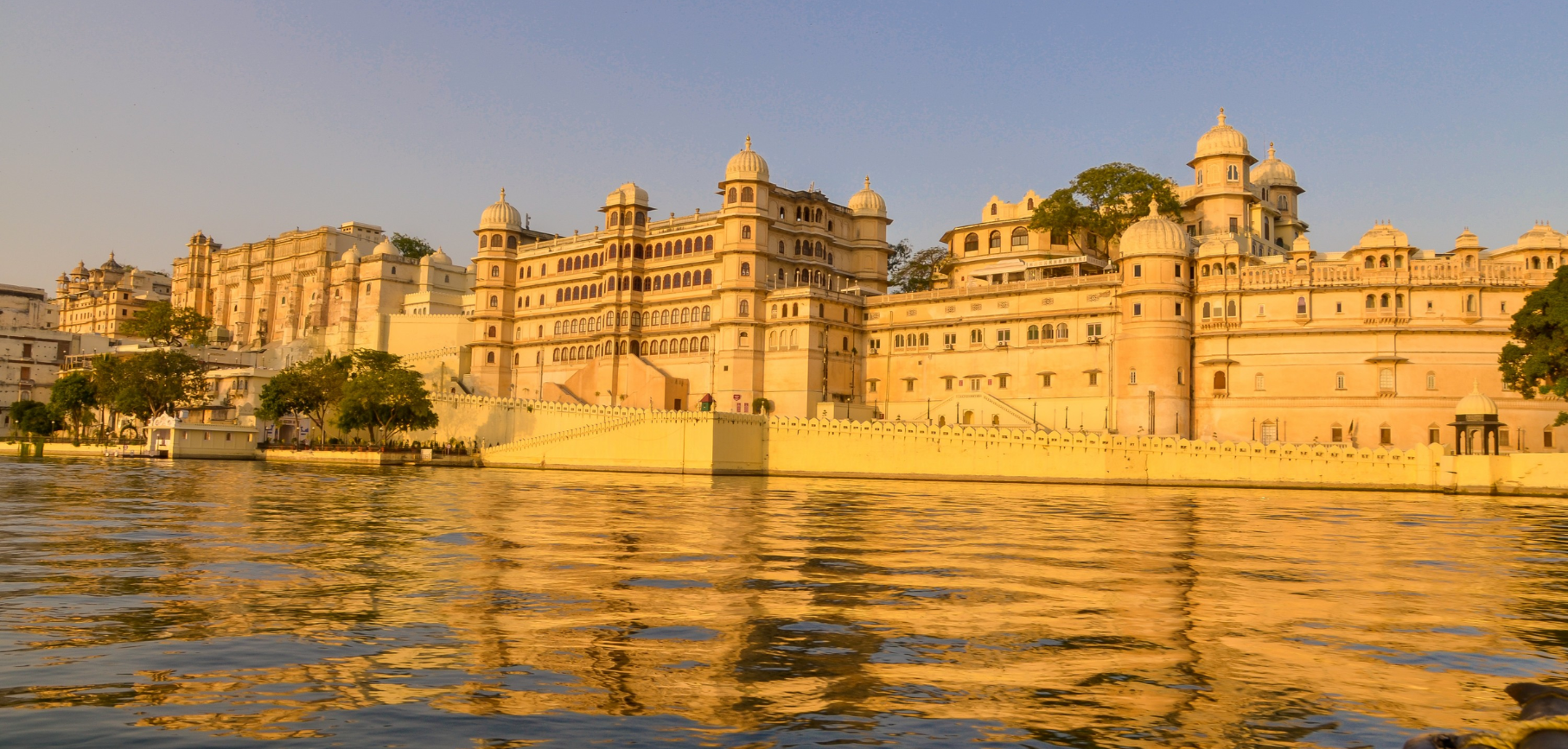
The best time to visit Udaipur is October to March - cool weather, festivals and the lakes are full after monsoon rains. Everyone knows this. Every blog says this.
But here is what they do not tell you: summer has its own advantages that October cannot match.
No crowds at City Palace. Hotel rates cut in half. The sunset on Lake Pichola looks identical in May. The palace does not move. The lake does not shrink. Only the tourists disappear - and for some travelers, that is exactly the point.
Here is a month-by-month breakdown so you know exactly what to expect:
April: Temperature 32–40°C. The most manageable summer month. Mornings are pleasant, evenings are beautiful. Least crowded of the year. If you must visit in summer, April is the pick.
Best time to visit Udaipur in May: Temperature 35–43°C. The heat is real but manageable with a smart plan. Visit outdoor spots before 10 AM and after 5 PM. Use the 12 PM–3 PM window for indoor attractions - City Palace, Vintage Car Museum, Bagore Ki Haveli Museum. Hotels in May are at their cheapest rates of the year.
June: Temperature 33–41°C. Pre-monsoon humidity begins creeping in. Some afternoon cloud cover provides unexpected relief. Hotel prices remain low. If rains begin early, the lakes start filling and the Aravalli hills turn green - which makes for genuinely beautiful photography.
Planning to explore all these places without worrying about how to get between each one? A luxury car rental in Udaipur keeps you moving comfortably - no autos, no waiting, no melting between attractions in peak summer heat.
The City Palace is the anchor attraction of Udaipur and the right place to start your trip. Construction began in 1559 under Maharana Udai Singh II and continued for nearly four centuries under 22 successive rulers. The result is a maze of 11 interconnected palaces, each adding its own architectural layer.
Inside, the Mor Chowk (Peacock Courtyard) has three mosaic peacocks made from colored glass - they shift color through the day as sunlight moves. The Sheesh Mahal (Mirror Palace) has thousands of tiny mirrors that once reflected candlelight for royal ceremonies.
Practical tip: Book your City Palace ticket online the night before. Queues at the counter in peak morning hours, even in summer, can eat 30 minutes.
Lake Pichola was built in 1362 and expanded by Maharana Udai Singh II, who was so taken by it that he built an entire city on its banks. The lake holds four islands - Jag Niwas (home of the floating Lake Palace), Jag Mandir, Mohan Mandir and Arsi Vilas bird sanctuary.
The boat ride covers all of this. You pass the white marble Lake Palace, which appears to float on water. You stop at Jag Mandir. As the sun goes down, the lake water turns from blue to gold to deep orange. The City Palace reflection doubles on the water surface.
Practical tip: The sunset boat ride sells out on weekends even in summer. Book it at the Rameshwar Ghat counter by 3 PM to secure your spot.
Built between 1620 and 1652 on a small island in Lake Pichola, Jag Mandir was used as a summer retreat by the royal family. Historically, it sheltered Prince Khurram - later Emperor Shah Jahan - when he rebelled against his father Jahangir. Some historians believe the palace design influenced Shah Jahan's vision for the Taj Mahal.
Perched at 3,100 feet above the city on the Bansdara Peak of the Aravalli hills, Sajjangarh Palace offers a panoramic view that covers all five of Udaipur's lakes, the city spread below and the Aravalli range stretching to the horizon. James Bond fans may recognize it - it appeared as a villain's lair in Octopussy (1983).
The uphill road to Monsoon Palace is steep and winding - this is exactly where a Udaipur sightseeing package with car saves you from the hassle of finding transport halfway up a hill in 40°C heat. Auto-rickshaws refuse this route. App cabs are unreliable at the top. A private car with a driver who waits for you is the only stress-free option.
Built in 1678 by Maharana Jai Singh, Fateh Sagar is a large artificial lake bordered by Aravalli hills on three sides. It has three small islands - the most famous is Nehru Park, which has a boat-shaped restaurant and a Musical Fountain. The lake also houses India's only island-based Solar Observatory, modeled after the Big Bear Lake Observatory in California.
Built by Maharana Sangram Singh II in the early 18th century as a leisure garden for royal ladies, Saheliyon Ki Bari is a calming and well-shaded space. The fountains operate entirely on natural water pressure with no mechanical pumps - a remarkable engineering feat for that era. Four marble elephants spray water into a central lotus pool.
In summer, the trees and the fountain mist make this one of the more comfortable daytime visits in the city.
Completed in 1651 under Maharana Jagat Singh I, this Indo-Aryan style temple dedicated to Lord Vishnu rises 79 feet above Udaipur's old city. It is covered in carved elephants, dancers and musicians on the exterior. The interior houses a black stone idol of Vishnu.
Photography inside is restricted - leave the camera outside and simply experience it.
Built in the 18th century as a residence for the Prime Minister of Mewar, Bagore Ki Haveli is now a museum and cultural center on the banks of Lake Pichola. The evening Dharohar Dance Show here is one of the best cultural performances in Rajasthan - classical and folk dance including Ghoomar, Bhavai and puppet shows. Plan your Day 2 evening around this.
This is the attraction most blogs skip and the one most useful in summer. The museum is fully indoors and air-conditioned. It houses the royal family's collection including a 1934 Rolls-Royce Phantom, rare Cadillacs and vintage Mercedes models - all in immaculate condition. It is one of the finest collections of royal automobiles in India.
Plan this for 1 PM – 3 PM when outdoor heat is at its worst. You stay cool, you see something genuinely fascinating and you come out refreshed for the evening sightseeing.
This itinerary is built specifically for summer - outdoor spots in the cooler parts of the day, indoor attractions in the afternoon, evening activities when the city comes alive.
| Time | Activity |
|---|---|
| 9:30 AM | City Palace - arrive at opening, beat the heat |
| 12:30 PM | Lunch near Gangaur Ghat - try Dal Baati Churma |
| 2:00 PM | Vintage Car Museum - fully indoors, AC, unhurried |
| 4:30 PM | Saheliyon Ki Bari - shaded garden, manageable in late afternoon |
| 6:30 PM | Sunset Boat Ride on Lake Pichola - the day's highlight |
| 8:00 PM | Dinner at a rooftop restaurant overlooking the lake |
| Time | Activity |
|---|---|
| 8:00 AM | Fateh Sagar Lake - walk the promenade, try speedboating |
| 10:00 AM | Jagdish Temple - before it gets busy and hot |
| 11:00 AM | Bagore Ki Haveli Museum - historical, indoors |
| 1:00 PM | Lunch and rest at hotel - do not skip this in summer |
| 3:30 PM | Jag Mandir - take the afternoon boat ride |
| 5:30 PM | Drive to Sajjangarh Palace - sunset over the city |
| 7:30 PM | Dharohar Dance Show at Bagore Ki Haveli |
This is the section that decides whether your Udaipur trip is comfortable or exhausting.
In summer, transport is not just a logistics decision - it is a comfort decision. The difference between arriving at Sajjangarh sweaty and frustrated after haggling with three auto drivers, versus stepping out of a cool AC cabin ready to enjoy the sunset, is the difference between a good trip and a great one.
Here is a breakdown of what is available and what actually works:
Depending on your group size and the kind of experience you want, here are the right vehicles for Udaipur:
A full-day Udaipur sightseeing package with car covering all major attractions works out to roughly ₹600–₹800 per person when split across a group of 4. That is less than two cups of coffee at a lakeside rooftop café - for a full day of comfortable, air-conditioned travel across the entire city.
Ready to book your car for Udaipur?
For travelers coming from Jaipur, the road is almost always the right choice. Here is everything you need to know.
The Jaipur to Udaipur distance is approximately 395–410 km depending on your starting point in Jaipur. Most drivers complete it in 6 to 7 hours with one or two stops.
The best route from Jaipur to Udaipur is via NH48 - passing through Ajmer, Beawar and Chittorgarh before descending into Udaipur. The highway is mostly four-lane, well-maintained and safe for both day and night driving. This is the most direct and fastest option.
A road trip from Jaipur to Udaipur by car is genuinely one of the best drives in Rajasthan. The route passes through open desert terrain, traditional Rajasthani towns and the foothills of the Aravalli range. It is the kind of drive that makes you glad you chose the road over a flight.
One stop worth making on the way: Chittorgarh Fort sits directly on this route, roughly 2.5 hours from Jaipur. A 45-minute stop adds no detour and gives you one of Rajasthan's most dramatic forts - the same fort where Maharani Padmini's story unfolded. Worth every minute.
Jaipur to Udaipur by road - recommended departure times for summer:
| Departure from Jaipur | Arrival in Udaipur | Notes |
|---|---|---|
| 5:00 AM | 12:00 PM | Best - arrive before afternoon heat peaks |
| 7:00 AM | 2:00 PM | Still manageable, rest at hotel before evening |
| 10:00 AM | 5:00 PM | Arrive just in time for the sunset boat ride |
If you are looking at Jaipur to Udaipur trip packages that include the road transfer, Udaipur sightseeing and return - booking a private cab as a package works out significantly cheaper than booking each leg separately, especially for families and groups.
A cab from Jaipur to Udaipur in an AC sedan or SUV makes the 400 km feel half as long. You arrive fresh, not exhausted - which matters when you have a full two days of sightseeing ahead.
Planning to drive from Jaipur? Book your cab in advance - summer availability on preferred vehicles fills faster than most people expect.
| Category | Budget | Mid-Range | Comfortable |
|---|---|---|---|
| Hotel (2 nights) | ₹2,000–₹4,000 | ₹6,000–₹12,000 | ₹15,000–₹30,000 |
| Food (all meals) | ₹1,500–₹2,500 | ₹3,000–₹5,000 | ₹6,000–₹10,000 |
| Entry Fees | ₹1,500–₹2,000 | ₹2,000–₹3,000 | ₹3,000–₹4,000 |
| Private Car (2 days) | ₹2,500–₹3,500 | ₹4,000–₹6,000 | ₹7,000–₹12,000 |
| Total (couple) | ₹7,500–₹12,000 | ₹15,000–₹26,000 | ₹31,000–₹56,000 |
Summer discount advantage: Hotels that charge ₹8,000–₹12,000 in November often quote ₹3,500–₹5,500 in May. The same room, same view, almost half the price.
On transport cost: When you split a private car across 4 people for 2 days, the per-person cost comes down to ₹1,000–₹1,500. That is cheaper than four separate auto-rickshaw trips in summer heat - and infinitely more comfortable.
Udaipur's food is as royal as its architecture. Do not leave without trying these:
For street food, head to Bada Bazaar near the clock tower before 10 AM. For rooftop dining with lake views, the area around Gangaur Ghat has several reliable options - Ambrai Ghat restaurant is the one most locals recommend to visitors.
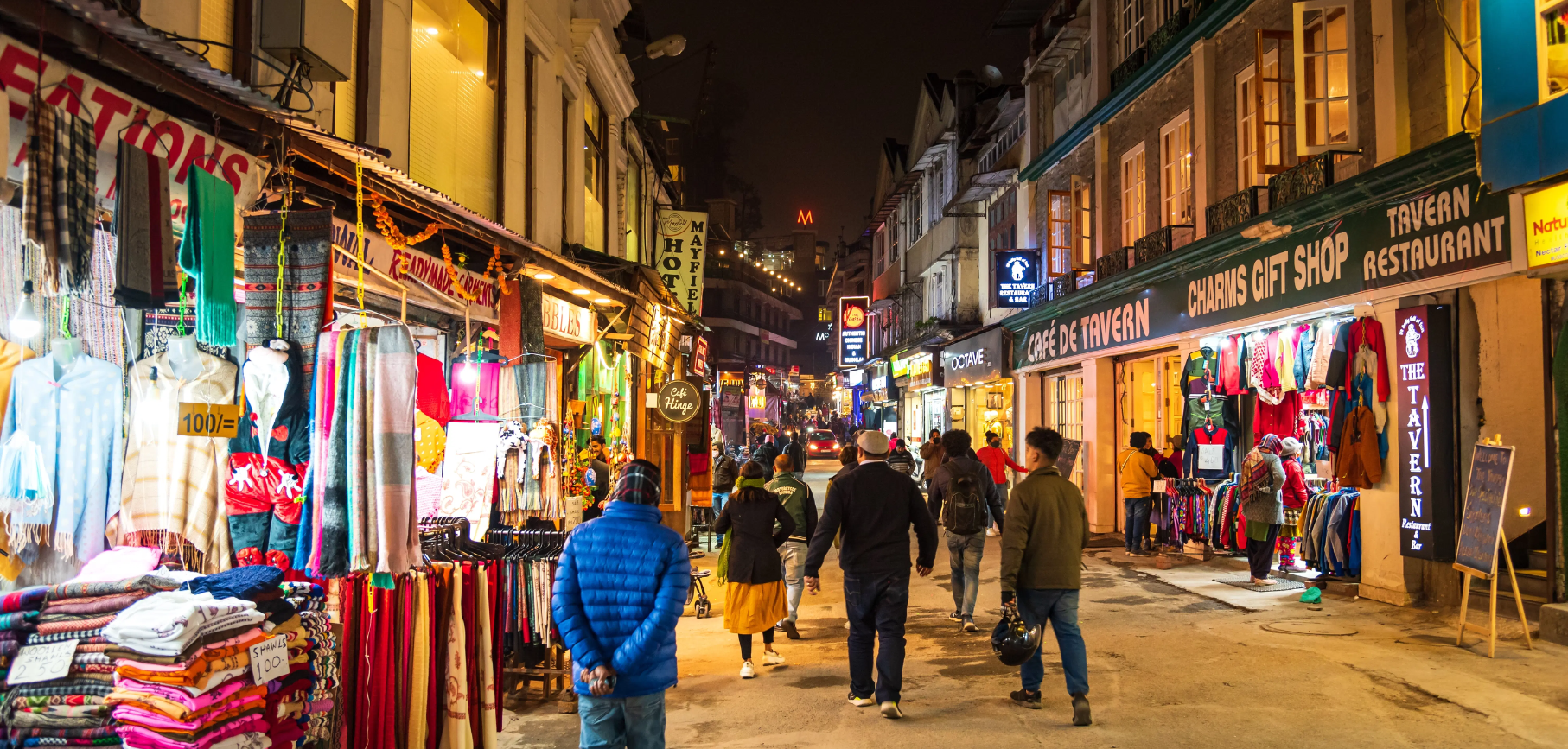
Udaipur's markets are as layered as its history. Each bazaar sells something different and shopping here is an experience in itself.
Hathi Pol and Bada Bazaar are narrow lanes - parking is a problem and autos rarely wait. Most travelers find it easier to have a private cab in Udaipur drop them at the market entrance and pick them up once shopping is done. No stress, no haggling with rickshaw drivers while carrying bags in 40°C heat.
If you only have one day in Udaipur, here is how to make it count without wasting a single hour.
This plan covers 7 major attractions in one day without ever being in direct sun during peak heat hours. A private car with a driver makes this sequence seamless - you move when you want, not when transport is available.
Start your outdoor day by 8 AM - the first two hours are your best window before heat builds